Planning
Ten Things to Know Before Your First Kenya Safari
From what to pack and what to tip to why you should never wear a blue shirt, here are the practical things we tell every guest before their first safari.
Kenya Safari Holidays · 2026-04-09 · 7 min read
Most first-time safari advice concerns what to see. This is about everything else, the practical details that make the difference between a good trip and a great one.
1. Pack in a soft-sided bag
Internal flights between parks use light aircraft with a strict luggage limit, usually 15kg per person. Bags must be soft-sided to fit into the hold. Hard-shell suitcases simply do not fit, and you will be asked to repack at the airstrip.
2. Do not wear blue or black
Tsetse flies are attracted to dark blue and black. Wear neutral colours, khaki, olive, beige, tan, and avoid bright white, which shows dust and can spook wildlife. Avoid camouflage entirely; it is restricted or illegal in several African countries.
3. Layers matter more than warm clothes
Safari days begin cold and end hot. A typical morning is 12°C at dawn and 28°C by midday. Bring a fleece or light jacket for game drives, then t-shirts for the afternoon. A buff or scarf for dust is genuinely useful.
4. Take binoculars, one pair each
This is the single most common regret. Sharing binoculars between two people means one of you always misses the moment. A modest pair of 8x42 binoculars will transform your safari.
5. You do not need a huge camera lens
The animals are frequently much closer than you expect. A 100-400mm zoom covers almost every situation. Most phones now take excellent photographs in good light, and there is no shame in using one.
6. Bring cash in small notes
Gratuities are a genuine part of safari staff income and are usually given in US dollars or Kenyan shillings. Bring small, clean, post-2013 US notes, or change money at the airport. ATMs are scarce outside Nairobi and Mombasa.
7. Expect very early starts
Game drives typically leave camp at 06:00 or earlier, because that is when the wildlife is most active and the light is best. Some camps offer a wake-up call with tea or coffee in your tent. Embrace it, the dawn drives are almost always the best of the day.
8. Malaria prophylaxis is a real conversation
The safari parks and the coast are malaria areas. There are no compulsory vaccinations for travellers arriving from the UK, but malaria tablets are strongly advised. Speak to your GP or a travel clinic at least six weeks before departure.
9. Your guide is the safari
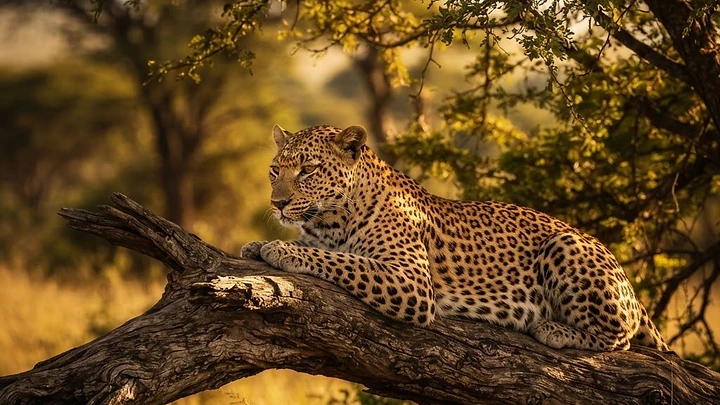
The single biggest determinant of how good your trip is, is the person driving the vehicle. A great guide reads the bush, knows where the leopards are ranging this week, and will happily spend an hour with one animal rather than racing to tick off five. Ask about guiding credentials before you book, and ask for a private vehicle.
10. You will need a Kenyan eTA
British passport holders must apply online for an electronic travel authorisation before travelling. Your passport must be valid for at least six months beyond your return date and have two blank pages. We send every guest a step-by-step pre-departure pack covering this, along with packing lists and health advice.
And one more thing
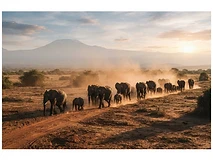
Put the camera down occasionally. The most common thing guests tell us afterwards is that they wish they had simply watched more, the elephant family crossing the road, the lion cubs at dusk, the sun going down behind Kilimanjaro.
A safari is not a photography assignment. It is the privilege of being somewhere extraordinary.

Route
Amboseli › Big Five Safaris › Luxury Tented Camps
Amboseli
7 days
Amboseli & Tsavo Explorer
Seven days of elephant country and red dust, with Kilimanjaro on the horizon, the lava flows of Tsavo and a night in the Chyulu Hills.
From
£3,180pp

Route
Maasai Mara › The Great Migration › Big Five Safaris
Maasai Mara
8 days
The Great Migration Signature Safari
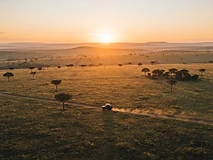
Eight days built entirely around the wildebeest migration, with four nights in the Maasai Mara, a private conservancy stay and a dawn balloon flight over the plains.
From
£4,250pp

Route
Samburu › Big Five Safaris › Walking & Bush Safaris
Samburu
9 days
Samburu & Laikipia Wilderness
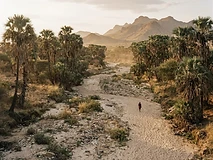
Nine days in Kenya's wild north, the Samburu Special Five, rhino tracking on foot and walking safaris in private conservancies where you will rarely see another vehicle.
From
£4,890pp